Antidepressants in pregnancy – turning a blind eye, again
The psychiatric establishment are keen to reassure people, but the evidence suggest few benefits and many potential risks of taking antidepressants in pregnancy.
The psychiatric establishment are keen to reassure people, but the evidence suggest few benefits and many potential risks of taking antidepressants in pregnancy.
Awais Aftab’s blog about the Sunday Times article on my new book, Chemically Imbalanced, was predictable. Like previous reactions to our serotonin paper, it illustrates how elements of the psychiatric profession attempt to control the message that gets out to the public. Aftab even subtitled his blog ‘British journalists and editors this is for you’.…
We argue that Nassir Ghaemi’s extraordinarily pejorative response to our review demonstrates how strongly attached the biological psychiatric establishment is to the idea that treatments target disease processes and how angrily it reacts when this notion is challenged. We refute Ghaemi’s criticisms.
The RADAR trial is complete. Disappointingly it showed that people who gradually reduce their antipsychotic medication are more likely to relapse than people who continue it. At 2-year follow-up there were no differences in social functioning, symptoms, side effects or quality of life. Yet relapse was far from inevitable and the qualitative analysis showed that…
After the publication of our umbrella review of serotonin last summer, several psychiatrists wrote letters to the journal, Molecular Psychiatry, as usually occurs after the publication of a major finding. We were invited by the editor of the journal to respond to the points raised in the letters, again a routine procedure in scientific literature.…
Our umbrella review that revealed no links between serotonin and depression has caused shock waves among the general public, but been dismissed as old news by psychiatric opinion leaders. This disjunction begs the questions of why the public have been fed this narrative for so long, and what antidepressants are actually doing if they are…
Summary TL;DR For decades people have been told that depression is caused by a serotonin deficiency. This was the rationale behind the introduction of the SSRI (Selective Serotonin Reuptake Inhibitor) antidepressants in the 1990s, which were thought to work by boosting low levels of serotonin. Our research shows no evidence of low serotonin in depression,…

Psychedelics are an increasingly fashionable medical treatment, but are they anything other than a powerful form of snake oil, or a recreational experience? Do they have any objective health benefits? Can we be confident they are safe? These questions need answering urgently as the number of people being enticed or persuaded to have these drugs is increasing. Here I draw attention to some of the issues raised by the current popularity of these drugs.
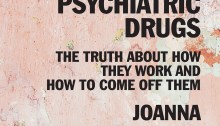
In this blog I reflect on what has and has not changed in the field of psychiatric drug treatment in the years between the first and newly published second edition of the Straight Talking Introduction to Psychiatric Drugs.
We are told that long-term antipsychotic treatment reduces the risk of someone having a ‘relapse’ of schizophrenia or psychosis. What ‘relapse’ actually refers to in the studies that are supposed to establish this has not been examined though. Our recent study of relapse definitions, published in Schizophrenia Research, shows that there is no consistent or…
 Joanna Moncrieff